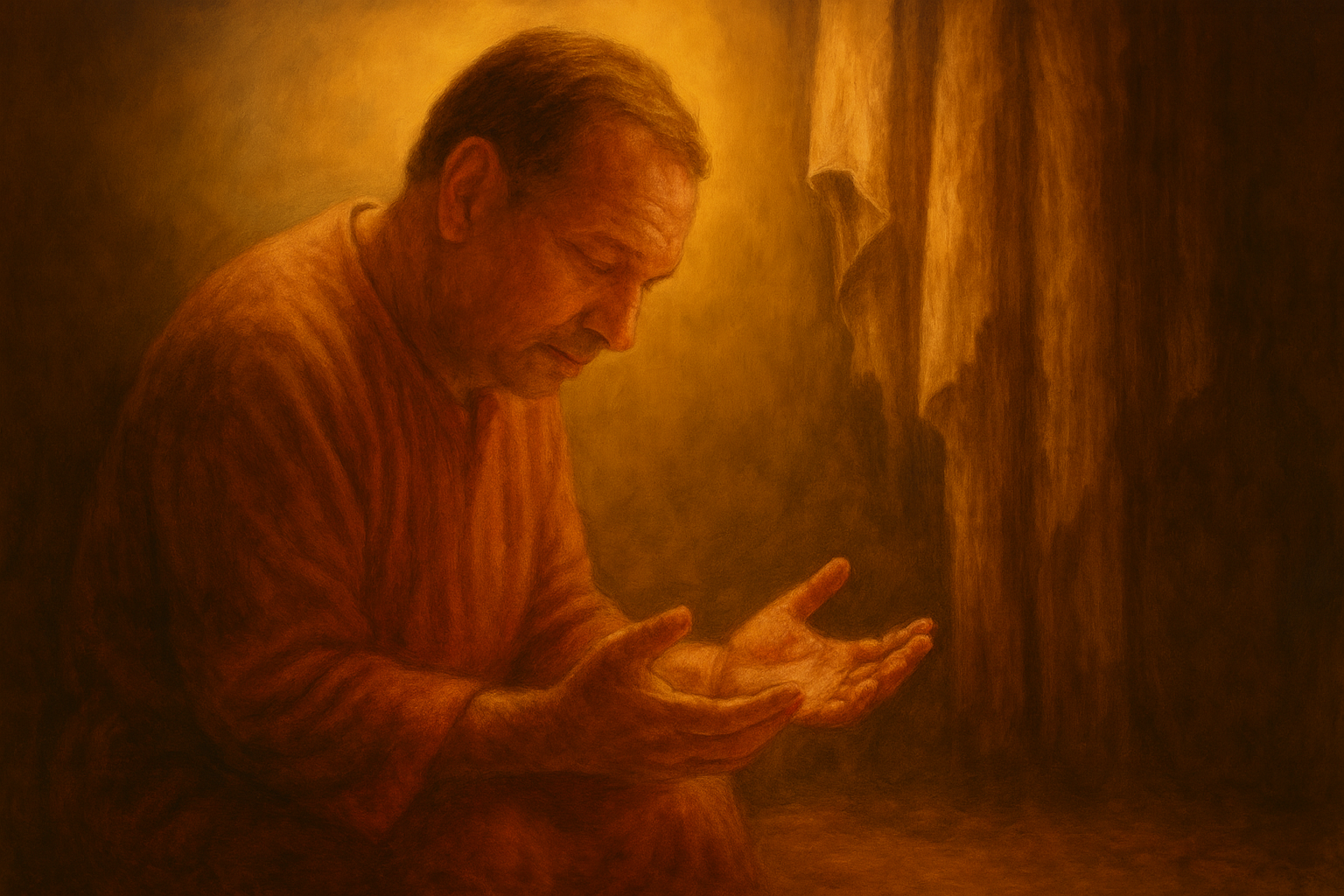
What does true biblical repentance look like during Lent?
In ancient Israel, tearing garments was the ultimate sign of grief and repentance. When people heard devastating news, when they recognized their sin, when they mourned—they’d grab their robes and rip them open. It was visible. Dramatic. Undeniable.
But God, through the prophet Joel, issues a shocking correction: “Rend your heart and not your garments” (Joel 2:13). Don’t just tear clothes—tear hearts. Don’t just perform repentance—become repentant. As we enter Week 2 of Lent, God invites us to examine: Are we performing religious rituals, or are we truly returning to Him?
📖 1. The Difference Between Performance and Repentance
Garment-rending was commanded in Scripture. When Jacob thought Joseph was dead, he tore his clothes (Genesis 37:34). When Job lost everything, he tore his robe (Job 1:20). When the high priest heard what he considered blasphemy, he tore his garments (Matthew 26:65). This was legitimate religious expression.
So why does God reject it in Joel? Because the people were performing the ritual without the reality. They tore garments but kept hearts of stone. They fasted but continued injustice. They assembled but didn’t truly seek Him.
Jesus confronted the same issue: “These people honor me with their lips, but their hearts are far from me” (Matthew 15:8). Lent can become the same trap. We give up chocolate but hold onto bitterness. We attend services but neglect prayer. We wear ashes but refuse humility.
True repentance isn’t what you give up—it’s what God gets. Your heart.
💔 2. God’s Invitation: Return With All Your Heart
Joel’s full message is both warning and welcome: “Even now,” declares the Lord, “return to me with all your heart, with fasting and weeping and mourning” (Joel 2:12). Notice three truths:
- “Even now” — It’s not too late. No matter how far you’ve wandered, God extends present-tense invitation.
- “With all your heart” — Partial repentance is partial return. God wants wholehearted turning.
- Fasting, weeping, mourning — Real repentance has emotional weight. It feels the cost of sin.
The Hebrew word for “return” is shuv—to turn back, to go home. It pictures a wanderer finally heading toward the Father’s house. Like the prodigal son, you don’t need a prepared speech—just a turned heart and a homeward direction.
⚡ 3. Why God Wants Your Heart
“For he is gracious and compassionate, slow to anger and abounding in love, and he relents from sending calamity” (Joel 2:13). The reason God wants your heart is stunning: He already loves you. His character, not your performance, determines your welcome.
David understood this after his terrible sin with Bathsheba. When he finally repented, he wrote: “My sacrifice, O God, is a broken spirit; a broken and contrite heart you, God, will not despise” (Psalm 51:17). He didn’t offer animals—he offered honesty. He didn’t perform rituals—he poured out reality.
God despises religious performance without heart reality. But He never despises a broken heart. When you come to Him with nothing to offer but your genuine need, He receives you completely.
🌿 4. The Fruits of True Repentance
Jesus warned: “Produce fruit in keeping with repentance” (Matthew 3:8). True heart-change always produces life-change. If repentance is real, you’ll see evidence:
- Restoration: You seek to make wrongs right (Luke 19:8 — Zacchaeus)
- Change: Old patterns lose their power (Romans 6:6)
- Joy: Repentance leads to rejoicing (Psalm 51:12 — “Restore joy”)
- Love: Forgiven people forgive others (Luke 7:47 — “She loved much”)
Lent isn’t about feeling bad—it’s about becoming free. True repentance doesn’t leave you in guilt; it leads you into grace.
📝 Practical Applications for Lent Week 2
1. Heart examination. Set aside 15 minutes. Ask: “Where am I performing religion without heart reality? What sin am I managing rather than repenting of?”
2. Write a repentance prayer. Like David’s Psalm 51, write your own honest confession. Be specific. Be real. Then tear it up as an offering to God.
3. Practice “shuv” — turning. Identify one specific direction you need to change this week. Turn toward God in that area.
4. Receive grace. After repentance, don’t stay in guilt. Let God’s gracious, compassionate character restore your joy.
🙏 Prayer for Week 2
“Gracious and compassionate Father, You are slow to anger and abounding in love. I come to You not with torn garments but with a torn heart. I don’t want to perform repentance—I want to be repentant. Search me. Show me where I’ve wandered. Draw me back with all my heart. I offer You my broken spirit; I know You will not despise it. Create in me a clean heart, O God, and renew a steadfast spirit within me. Restore to me the joy of Your salvation. In Jesus’ name, Amen.”
📜 Lent Week 2 Key Scriptures:
- Joel 2:12-13 – Return with all your heart
- Psalm 51:1-17 – David’s prayer of repentance
- Luke 15:11-24 – The prodigal son returns
- Matthew 3:8 – Produce fruit in keeping with repentance
- 1 John 1:9 – He is faithful to forgive